Place pour toi

Materials and metallurgical engineering

Made for you if turning metals into useful objects sounds interesting to you—and you want to uncover all their secrets

Did you know

  • $142,431

  • 4 years

    Duration of the bachelor’s degree in materials and metallurgical engineering

  • 6 metals

    Are mainly processed in Quebec.

  • 4th largest producer worldwide

    Quebec produces 90% of Canada’s aluminum. Thanks to hydroelectricity, it’s also where the greenest aluminum in the world is made—an unmatched competitive advantage.

  • Testing materials to their limits.

    Extreme temperatures, friction, corrosion: you push matter to its limits.

  • Studying the effects of radiation on materials… in space.

    And in nuclear reactors—a field as vast as it is fascinating.

What you will actually do

As a materials and metallurgical engineer, you’ll conduct research on materials properties to design higher-performing materials.

  • Conduct research on the behaviour and crystalline structure of materials at certain temperatures and in conditions involving friction and extreme corrosion.
  • Conduct studies on metals and alloys: their crystalline structure, dispersion of alloy elements in the basic metal, the presence of impurities, cracks and other flaws.
  • Estimate the fatigue lives of materials and structures according to different manufacturing processes
  • Study the effect of radiation on materials in space and in nuclear reactors.
  • Conduct research on metal and ceramic combinations to form complex structures and composite materials.

Source: REPÈRES, the official school and career information website (in French)
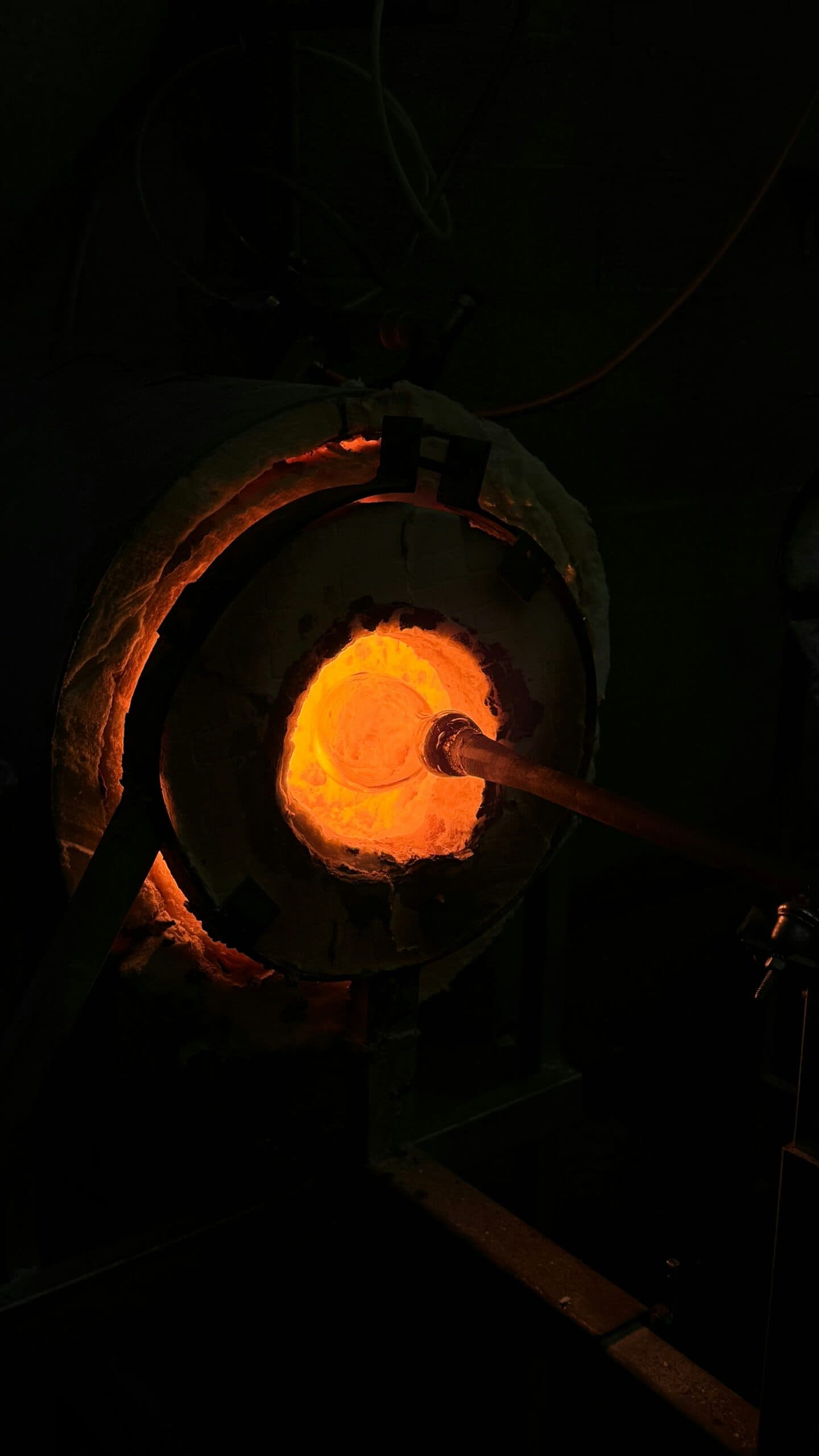
Where do you see yourself?

Materials and metallurgical engineers work in a wide range of sectors, including aerospace, the aluminum industry, and rail.

  • Consulting engineering firms
  • Steel companies
  • Academic institutions
  • Federal and provincial government
  • Testing and analytical laboratory services
  • Rolling stock equipment manufacturing plants
  • Aluminum and metal industry
  • Aerospace industry

Where to study

Universities offering the program

STUDYING A METAL FROM OUTER SPACE

An extraterrestrial metal: abundant in meteorites, very rare on Earth.

Very rare on Earth but abundant in meteorites, iridium fascinates materials researchers. In materials and metallurgy engineering, some of the materials you study may come from… outer space.

40x rarer than gold

And yet essential

A DEADLY BACTERIA IN WATER

A system that detects legionella where no one saw it before.

Engineers developed an advanced legionella detection system for industrial process water cooling systems. This innovation protects workers and communities by detecting the bacteria long before it can spread.

Read the article on legionella detection systems (in French)

Play Mission Génie to discover the type of engineering that suits you!

An interactive game to explore the different types of engineering and find the one that best matches your interests and talents.